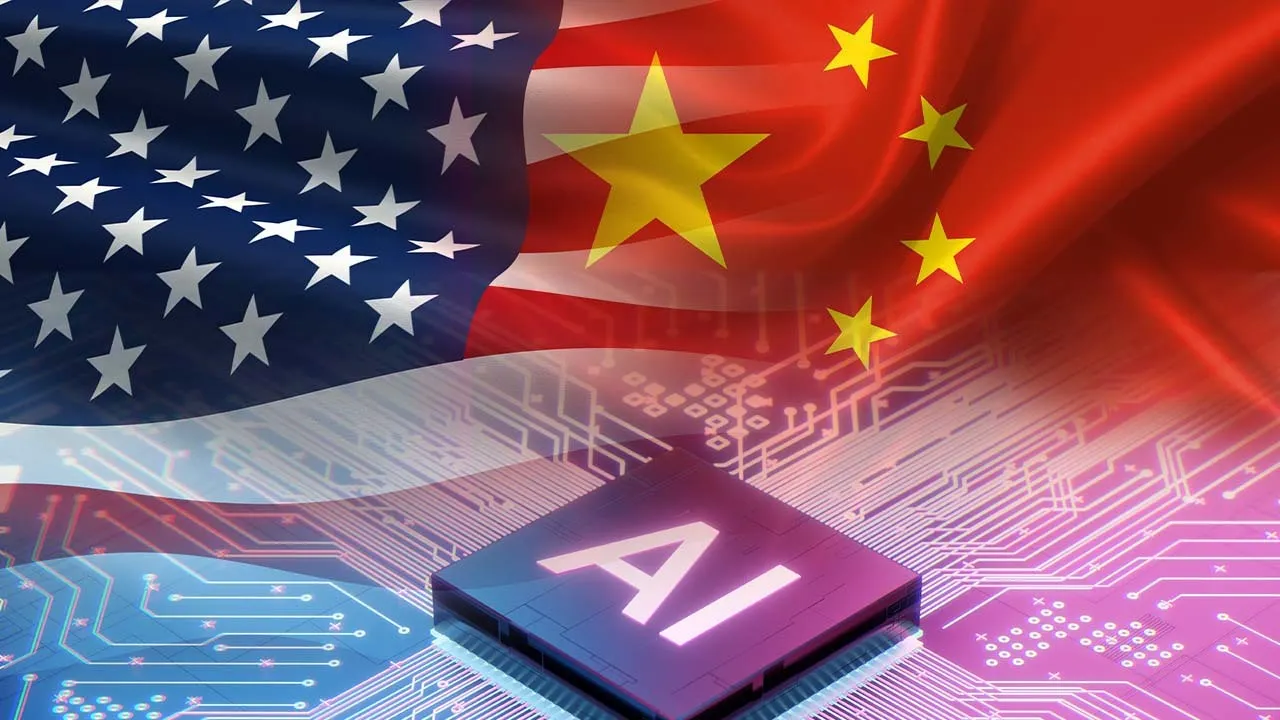

The United States government has officially withdrawn a proposed regulation that would have restricted the export of advanced artificial intelligence chips to certain foreign countries. The draft rule, initially announced as part of broader efforts to maintain US technological leadership and address national security concerns, faced significant pushback from industry groups, international partners, and trade advocates.
Background of the Draft Rule
The proposed regulation aimed to limit the sale of high-performance AI chips and related technology to nations considered strategic competitors. The goal was to prevent the transfer of cutting-edge AI hardware that could be used in military applications or to develop AI systems that might challenge US economic or security interests. The rule would have affected both chip manufacturers and companies that integrate AI processors into devices for global markets.
However, the draft rule raised concerns about supply chain disruptions, potential retaliation from affected countries, and the broader impact on the global AI and semiconductor industry. Many technology companies argued that restrictions could harm US businesses, slow innovation, and complicate international collaboration on AI development.
Reasons for Withdrawal
Officials cited several factors for the withdrawal of the draft rule. Industry feedback highlighted the risk of reducing US competitiveness by limiting market access for American technology firms. Concerns also arose over the complexity of enforcing export controls on chips embedded in devices or integrated into global supply chains.
Additionally, international partners expressed opposition, noting that strict export restrictions could disrupt trade and create uncertainty in global technology markets. The US government appears to have weighed these economic and diplomatic considerations against the potential security benefits of restricting chip exports.
Implications for the AI and Semiconductor Industry
The withdrawal of the draft rule is likely to be welcomed by chip manufacturers, cloud computing companies, and AI developers. Companies that rely on exporting high-performance chips can continue serving global customers without new regulatory barriers. This may help maintain supply chain stability, foster innovation, and ensure the continued growth of AI applications worldwide.
At the same time, the decision signals that the US government may seek alternative measures to address national security concerns without imposing broad export bans. These could include targeted partnerships, voluntary compliance programs, or collaborative international frameworks to govern the use of advanced AI hardware.
Future Outlook
While the withdrawal reduces immediate regulatory pressure on US chip exports, companies and policymakers remain aware of ongoing national security and technology competitiveness issues. The semiconductor and AI sectors will continue to monitor government guidance and potential new regulations that balance innovation, trade, and security considerations.
The decision also underscores the global nature of the AI industry. Advanced chips are critical to AI development across research, autonomous systems, data centers, and consumer electronics. Ensuring open markets while safeguarding sensitive technology remains a delicate challenge for policymakers, and the withdrawal of the draft rule reflects an effort to strike that balance.
In summary, the US has decided to withdraw the draft regulation restricting AI chip exports, responding to industry feedback and international concerns. The move preserves global access to US technology while allowing policymakers to explore more targeted approaches to managing national security risks associated with advanced AI hardware.