
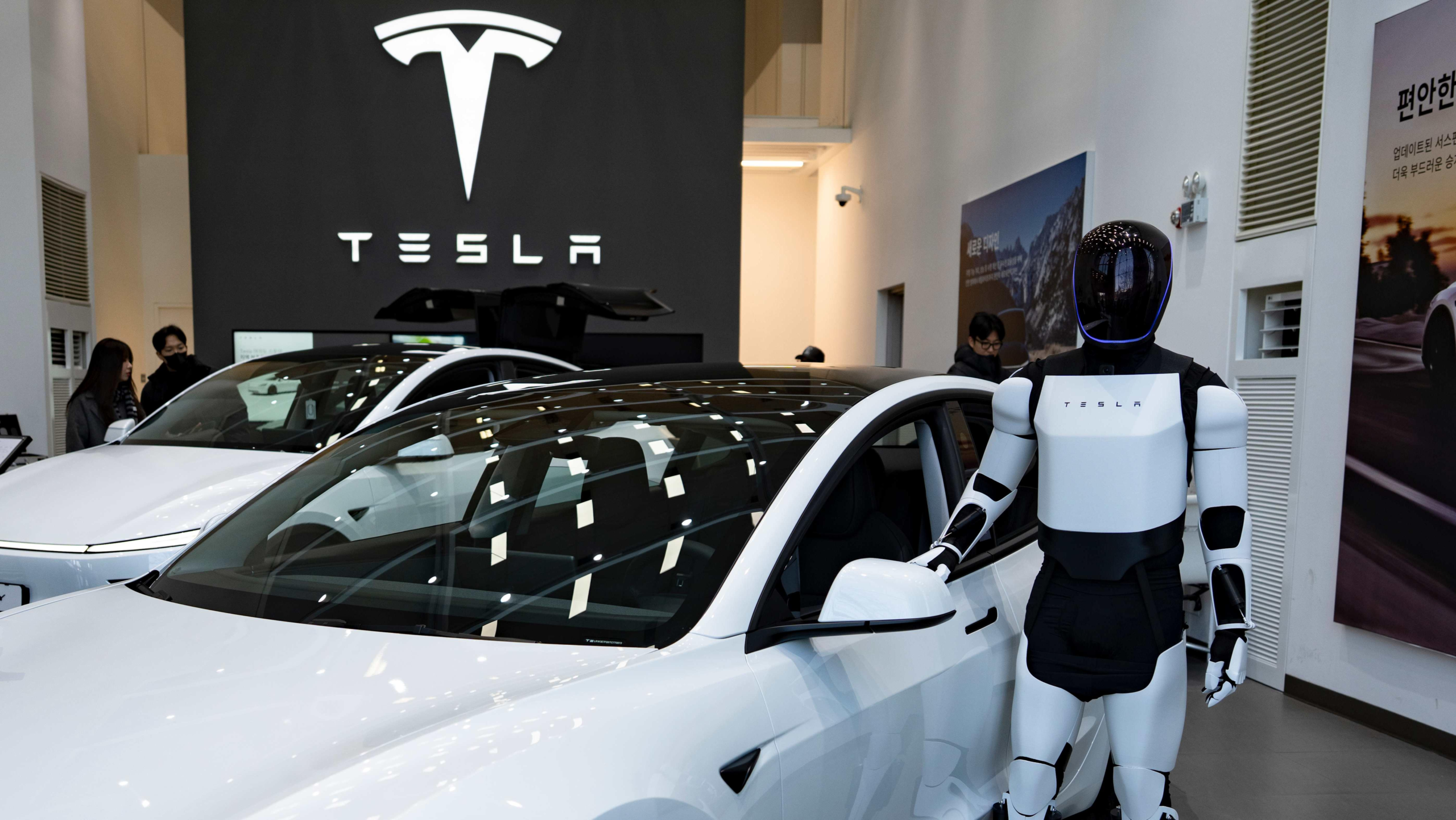
Musk Says Tesla’s Mega AI Chip Fab Project to Launch in Seven Days
Tesla CEO Elon Musk has announced that the company’s mega AI chip fabrication project, known as Terafab, will officially launch in about seven days. The project aims to produce advanced artificial intelligence chips in-house, supporting Tesla’s autonomous driving systems, robotics, and other AI initiatives. Musk emphasized that existing supply from external partners is insufficient to meet Tesla’s growing demands for AI technology, prompting the company to take production into its own hands.
Terafab Announcement and Purpose
During a weekend event, Musk confirmed that the Terafab project would begin within a week. He described it as a large-scale effort to manufacture AI chips internally, which could reduce reliance on external foundries and give Tesla greater control over supply, performance, and costs. The initiative is intended to support the company’s expanding AI-dependent technologies, including next-generation autonomous driving units and robotics platforms.
The Terafab facility is expected to be substantial, potentially rivaling or exceeding the scale of Tesla’s existing Gigafactories. This strategic move reflects Tesla’s broader ambition to lead in AI hardware development, ensuring that the company can meet future computing requirements without bottlenecks from third-party chip suppliers.
Why the Project Matters
Tesla has increasingly focused on designing its own silicon. The company has previously developed custom AI chips for Autopilot and Full Self-Driving systems, along with internal AI training platforms. Bringing chip fabrication in-house is seen as a critical step in ensuring that Tesla can continue to innovate in AI performance and efficiency while maintaining control over production timelines and costs.
The Terafab project could have far-reaching implications. By producing its own AI chips, Tesla can optimize hardware specifically for its software and AI applications, potentially achieving higher efficiency and better integration than relying on standard chips from third-party manufacturers. This may enhance the performance of Tesla’s autonomous vehicles and other AI-driven systems, giving the company a competitive edge in the growing AI and robotics market.
Timing and Expectations
Although Musk confirmed the seven-day launch, the announcement likely refers to the start of the project phase or official unveiling, rather than immediate mass production. Building and equipping a semiconductor fabrication facility is a complex, multi-stage process that typically takes months or years. Initial phases are expected to involve construction, testing, and prototyping, followed by ramp-up to full-scale chip production.
Industry analysts anticipate that the Terafab initiative will focus on specialized AI chips for Tesla’s unique requirements, including automotive applications and internal AI infrastructure. These chips may not compete with the latest consumer or commercial semiconductor nodes in general-purpose computing, but they will likely be optimized for Tesla’s high-performance AI workloads.
Broader Context
Tesla has invested heavily in AI infrastructure over recent years. The company has developed proprietary AI training systems and custom chips designed to accelerate machine learning and autonomous vehicle computing. The Terafab project represents a major escalation in Tesla’s hardware strategy, demonstrating the company’s commitment to vertical integration in both software and hardware.
The launch of Terafab is expected to strengthen Tesla’s long-term AI ambitions, allowing the company to maintain control over critical components while scaling production to support its autonomous driving and robotics roadmap. By manufacturing chips in-house, Tesla aims to reduce dependency on external suppliers and mitigate supply chain constraints that have affected the broader semiconductor industry.
In summary, Tesla’s upcoming Terafab launch marks a significant step in the company’s pursuit of advanced AI capabilities. By producing its own chips, Tesla is positioning itself to enhance performance, reduce reliance on external suppliers, and accelerate innovation across autonomous vehicles, AI systems, and robotics. The seven-day announcement highlights the company’s aggressive timeline and focus on maintaining a leading role in AI hardware development.